
English
English
Views: 0 Author: Site Editor Publish Time: 2026-06-17 Origin: Site


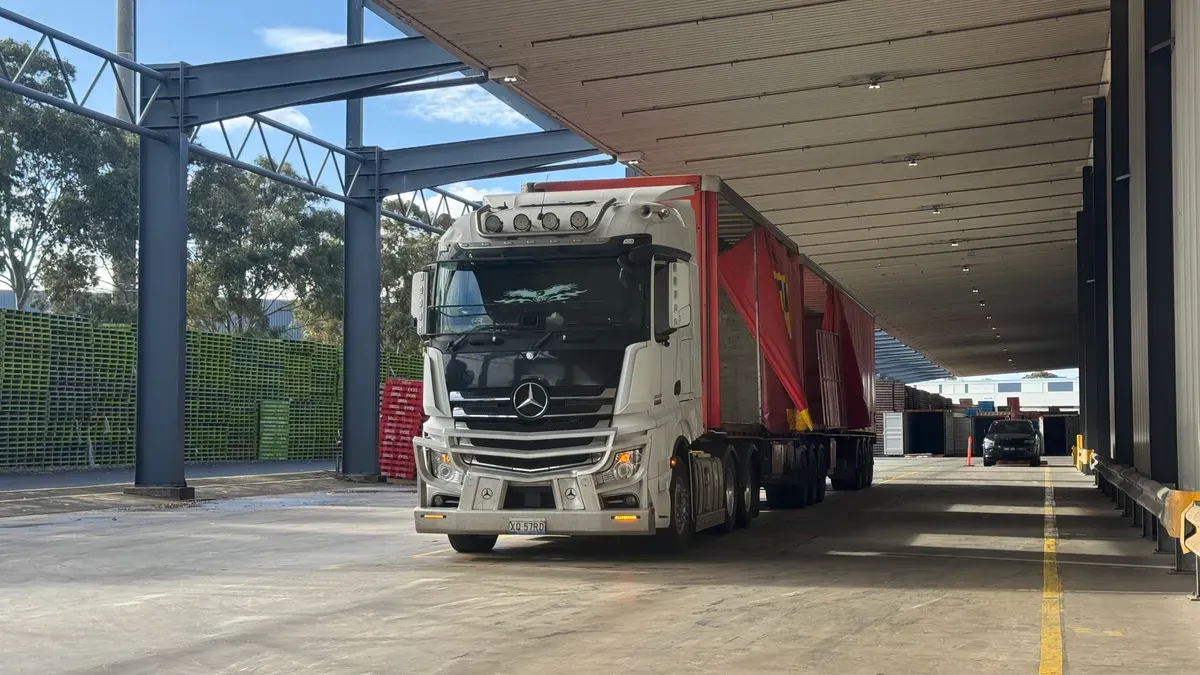
Modern warehouses depend on efficient loading dock systems to keep goods moving safely and efficiently between trucks and facilities. However, differences in trailer heights, frequent vehicle movements, and demanding loading schedules can create operational bottlenecks, safety risks, and unnecessary energy loss if the loading dock is not properly equipped.
A complete loading dock system solves these challenges by integrating dock levelers, dock shelters, industrial doors, vehicle restraints, dock bumpers, and safety equipment into a coordinated loading solution. Together, these components improve loading efficiency, protect workers and cargo, and help maintain environmental control across a wide range of warehouse and industrial applications.
This guide explains the key components of a loading dock system, how each component functions, how they work together throughout the loading process, and how to select the right loading dock solution for different facility types.
A loading dock system combines multiple components to create a safe, efficient, and reliable loading environment.
Dock levelers, dock shelters, industrial doors, vehicle restraints, and safety equipment each perform a specific function within the loading process.
An integrated loading dock system improves loading efficiency, workplace safety, environmental control, and equipment protection.
Different facility types—including warehouses, distribution centers, manufacturing plants, and cold storage facilities—require different loading dock configurations.
Selecting the right loading dock system helps reduce operating costs, improve productivity, and support long-term warehouse performance.
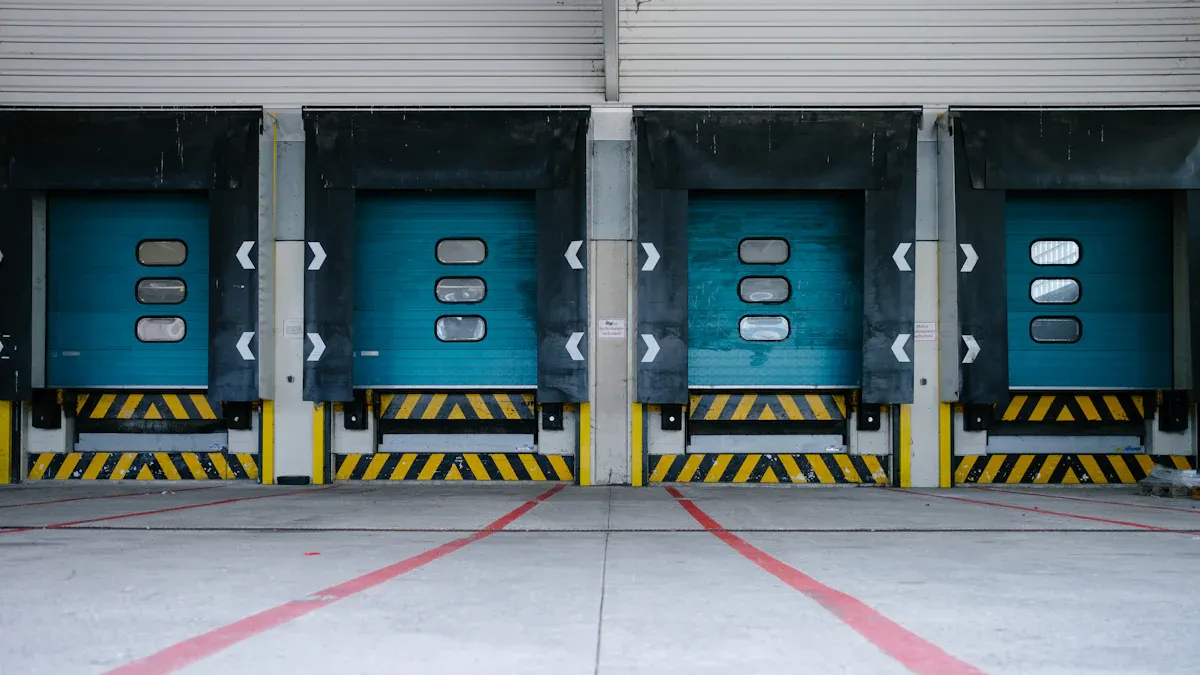
A loading dock system is a specialized area within a warehouse or industrial facility designed for the efficient transfer of goods between vehicles and the building. This system includes a combination of equipment, such as dock levelers, doors, seals, and safety devices, all working together to streamline the movement of products. The dock configuration varies based on facility needs, with each setup tailored to optimize workflow and safety. Common types of loading dock configurations include flush docks, enclosed docks, drive-in docks, sawtooth docks, and open docks. Each configuration serves a unique purpose, from maximizing land use to protecting freight and workers from weather.
The primary purpose of a loading dock is to act as the main interface for the flow of goods in and out of a warehouse. This area serves as the critical connection point in supply chain management, enabling efficient loading and unloading of shipments. A well-designed loading dock reduces wait times for trucks, minimizes product damage, and increases overall throughput. These improvements directly impact customer satisfaction by ensuring timely and accurate deliveries. The loading bay also supports the safe handling of goods, which is essential for maintaining product quality and worker safety.
A modern loading dock delivers several advantages for warehouses and logistics operations:
Efficiency and Throughput: Advanced equipment speeds up loading and unloading, saving labor time and improving truck turnaround.
Improved Energy Efficiency: Seals and insulated dock components help maintain interior temperatures, reducing HVAC strain and lowering utility costs.
Employee Morale and Retention: Enhanced safety features and ergonomic designs create a more comfortable work environment, leading to higher worker satisfaction.
Asset Protection: Dock bumpers and protective devices extend the service life of building structures and equipment.
Enhanced Safety: Automated systems and safety barriers reduce manual handling, lowering the risk of accidents.
Lower Operational Costs: Efficient processes and reliable equipment decrease maintenance expenses and labor requirements.
Tip: Selecting the right dock configuration for your warehouse can maximize both safety and productivity. Consider the types of vehicles, volume of shipments, and facility layout when planning your loading dock system.
A well-integrated loading dock system supports the seamless movement of goods, protects assets, and ensures a safe environment for workers and products.
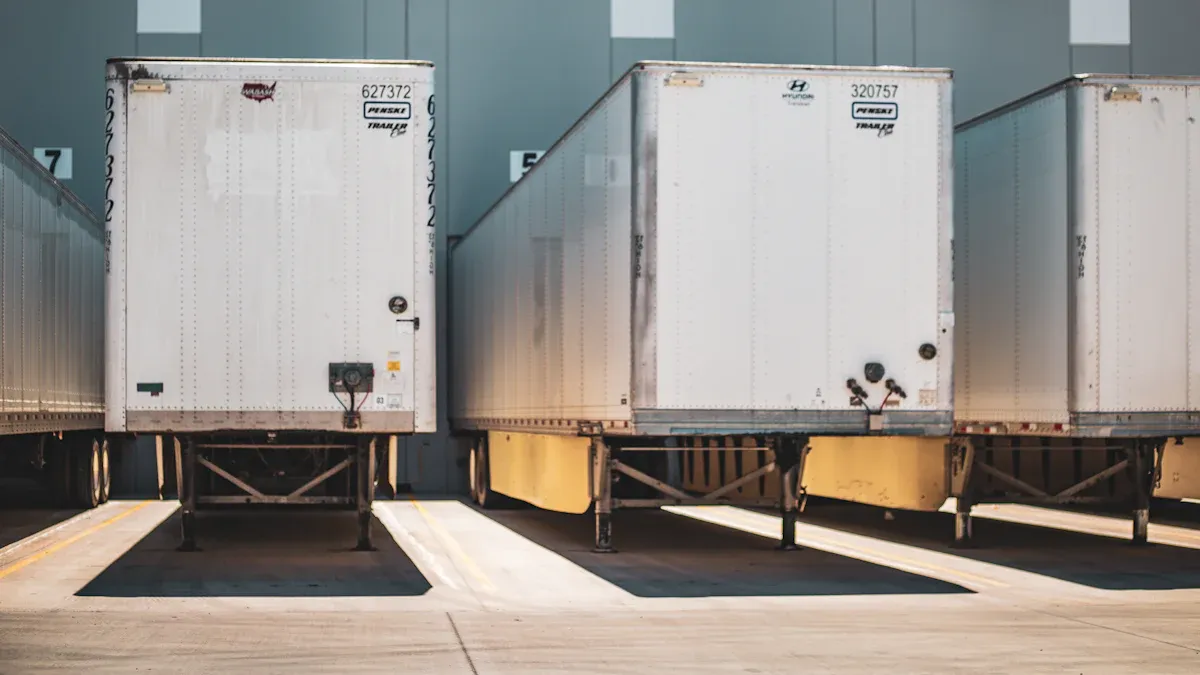
A loading dock system is made up of multiple components that work together to improve loading efficiency, workplace safety, and environmental control. Rather than operating independently, each component performs a specific function within the overall loading process. Selecting the right combination of equipment helps create a safer, more productive, and more reliable loading dock.
Component | Primary Function | Typical Benefits |
|---|---|---|
Dock Levelers | Bridge the gap between the warehouse floor and truck trailer | Improve forklift safety and loading efficiency |
Dock Shelters & Dock Seals | Create a protective seal around the trailer | Reduce energy loss and protect goods from weather |
Vehicle Restraints | Secure trailers during loading and unloading | Prevent trailer movement and improve workplace safety |
Industrial Doors | Control access between the warehouse and loading dock | Improve security, environmental control, and workflow |
Dock Bumpers | Absorb impact from reversing trucks | Protect dock structures and reduce maintenance costs |
Safety Equipment | Improve visibility and operational safety | Reduce workplace accidents and improve communication |
Dock levelers create a safe and stable bridge between the warehouse floor and truck trailers with different bed heights. They allow forklifts and pallet trucks to move smoothly during loading and unloading, improving operational efficiency while reducing the risk of accidents.
Primary Function
Compensate for trailer height differences
Support safe forklift movement
Improve loading efficiency
Related Solutions
Hydraulic Dock Levelers • Vertical Dock Levelers • Telescopic Dock Levelers
Learn more about How Hydraulic Dock Levelers Work to understand their operating principles and key advantages.
Dock shelters and dock seals protect the loading area by creating a barrier between the building and the trailer. They help maintain indoor temperatures, reduce energy consumption, and protect products from rain, dust, and wind during loading operations.
Primary Function
Maintain environmental control
Reduce air exchange
Protect products and personnel
Related Solutions
Inflatable Dock Shelters • Mechanical Dock Shelters • Dock Seals
Explore our Dock Shelter Guide to compare different shelter types and applications.
Vehicle restraints secure trailers during loading and unloading to prevent unexpected movement. They are one of the most important safety components within a loading dock system and help protect forklift operators, warehouse staff, and cargo.
Primary Function
Secure trailers at the dock
Prevent trailer separation
Improve loading safety
Related Solutions
Manual Vehicle Restraints • Hydraulic Vehicle Restraints
Industrial doors provide controlled access between the warehouse and the loading dock. They also contribute to energy efficiency, environmental control, and operational security by minimizing unnecessary air exchange during loading activities.
Primary Function
Control warehouse access
Improve energy efficiency
Support continuous loading operations
Related Solutions
Sectional Doors • High-Speed Doors • Cold Storage Doors
Dock bumpers absorb the impact of trucks backing into the loading dock, helping protect both vehicles and building structures from damage caused by repeated contact.
Primary Function
Protect dock structures
Reduce maintenance costs
Extend equipment lifespan
Safety equipment includes dock lights, communication systems, warning signals, barriers, and other accessories that improve visibility and help create a safer loading environment.
Primary Function
Improve operator visibility
Reduce workplace accidents
Support safe loading procedures
Typical Equipment
Dock Lights • Communication Lights • Safety Barriers • Dock Gates
A loading dock system delivers the best performance when all components operate as an integrated solution rather than as independent pieces of equipment. During every loading cycle, each component performs a specific function that contributes to workplace safety, operational efficiency, and environmental control.
Understanding how these components interact helps warehouse managers design a loading dock system that minimizes downtime, protects personnel, and improves overall logistics performance.
The loading process begins when the truck arrives at the dock. Dock bumpers absorb the impact as the trailer reverses into position, while vehicle restraints secure the trailer to prevent unexpected movement during loading.
Key Components
Dock Bumpers
Vehicle Restraints
Primary Function
Protect the building structure and create a safe loading environment before operations begin.
Once the trailer is secured, dock shelters or dock seals create a protective barrier between the building and the vehicle. This minimizes air exchange while preventing rain, dust, and debris from entering the loading area.
Key Components
Dock Shelters
Dock Seals
Industrial Doors
Primary Function
Maintain temperature control, improve energy efficiency, and protect products during loading.
After the dock door opens, the dock leveler bridges the gap between the warehouse floor and the trailer. Forklifts and pallet trucks can then move safely across the platform to transfer goods.
Key Components
Dock Leveler
Industrial Door
Primary Function
Create a stable loading surface and improve loading efficiency.
Throughout the loading process, safety equipment such as dock lights, communication systems, and warning signals help operators maintain visibility and coordinate vehicle movement safely.
Key Components
Dock Lights
Communication Systems
Safety Barriers
Primary Function
Improve operational safety while supporting continuous loading activities.
After loading is complete, the dock leveler returns to its stored position, vehicle restraints are released, and the dock door closes. The loading dock system is then ready for the next vehicle.
Primary Function
Prepare the dock for the next loading cycle while maintaining equipment reliability and workplace safety.
A complete loading dock system follows a coordinated workflow in which each component performs a specific function throughout the loading process.
(Environment Protection)
(Control Access)
(Bridge Height Gap)
(Material Handling)
Warehouses typically handle continuous inbound and outbound shipments using trucks with different trailer heights. Frequent forklift traffic and varying cargo volumes require a loading dock system that is safe, reliable, and efficient throughout daily operations.
Recommended System
Hydraulic Dock Leveler
Dock Shelter or Dock Seal
Sectional Overhead Door
Vehicle Restraint
Why This Configuration Works
This combination creates a complete loading dock solution that supports safe forklift movement, improves loading efficiency, protects goods from weather, and minimizes trailer movement during loading operations.
Distribution centers operate under high loading frequency with fast truck turnaround requirements. Equipment must support continuous loading while minimizing delays and maximizing operational efficiency.
Recommended System
Hydraulic Dock Leveler
Vehicle Restraint
High-Speed Door
Dock Shelter
Why This Configuration Works
These components reduce loading time, improve workflow efficiency, and maintain a safe operating environment for high-volume logistics operations.
Cold storage warehouses require strict temperature control throughout the loading process. Maintaining an airtight seal while allowing efficient material handling is critical for reducing energy consumption and protecting temperature-sensitive products.
Recommended System
Vertical Dock Leveler
Inflatable Dock Shelter
Insulated Cold Storage Door
Vehicle Restraint
Why This Configuration Works
The system minimizes cold air loss, improves thermal efficiency, and maintains stable loading conditions while supporting food, pharmaceutical, and cold chain logistics.
Manufacturing plants require loading dock equipment capable of handling heavy materials, continuous operations, and demanding industrial environments.
Recommended System
Heavy-Duty Hydraulic Dock Leveler
Sectional Door
Dock Bumpers
Vehicle Restraint
Why This Configuration Works
This configuration provides long-term durability, protects loading dock infrastructure, and supports efficient movement of raw materials and finished products.
E-commerce fulfillment centers rely on rapid loading cycles and continuous trailer movement to meet demanding shipping schedules.
Recommended System
Hydraulic Dock Leveler
High-Speed Door
Vehicle Restraint
Dock Lights
Why This Configuration Works
The system supports faster trailer turnaround, improves loading accuracy, and helps maintain consistent productivity during peak shipping periods.
Proper maintenance is essential for keeping a loading dock system safe, efficient, and reliable. Routine inspections and preventive servicing help reduce unexpected downtime, extend equipment lifespan, and improve workplace safety.
Explore Loading Dock Solutions
Inspect key loading dock components, including dock levelers, industrial doors, vehicle restraints, dock seals, and safety equipment on a regular schedule. Look for signs of wear, hydraulic leaks, loose fasteners, damaged seals, or abnormal operation.
Inspection Checklist
Check dock leveler movement and hydraulic components.
Inspect dock doors for smooth operation.
Examine dock seals and shelters for wear or damage.
Test vehicle restraints and communication systems.
Verify dock lights and safety barriers are functioning properly.
Preventive maintenance helps identify potential problems before they lead to equipment failure. Following the manufacturer's recommended maintenance schedule reduces repair costs and improves long-term system reliability.
Recommended maintenance includes:
Lubricating moving components.
Replacing worn seals and hardware.
Checking hydraulic fluid levels.
Testing safety devices.
Inspecting structural components.
As warehouse operations grow, older loading dock equipment may no longer meet operational requirements. Frequent repairs, increasing downtime, reduced loading efficiency, or new safety requirements are all signs that an upgrade should be considered.
Modern loading dock systems with hydraulic dock levelers, automated vehicle restraints, and high-speed industrial doors can significantly improve productivity while lowering long-term operating costs.
A loading dock system is far more than a collection of individual products. It is an integrated solution in which dock levelers, dock shelters, vehicle restraints, industrial doors, dock bumpers, and safety equipment work together to create a safe, efficient, and reliable loading environment.
Understanding the role of each component—and how these components interact throughout the loading process—helps warehouse operators improve productivity, enhance workplace safety, reduce equipment downtime, and lower long-term operating costs.
Whether you operate a warehouse, distribution center, manufacturing plant, or cold storage facility, selecting the right loading dock system should be based on your operational requirements, facility layout, loading frequency, and environmental conditions. A well-designed system not only supports smoother loading operations today but also provides the flexibility and reliability needed for future business growth.
By understanding how loading dock components function individually and work together as an integrated system, businesses can make more informed decisions when designing or upgrading warehouse loading operations.
Contact Our Experts
A complete loading dock system typically includes dock levelers, dock shelters or dock seals, industrial doors, vehicle restraints, dock bumpers, dock lights, communication systems, and other safety equipment. Together, these components create a safe, efficient, and well-coordinated loading environment for warehouses and industrial facilities.
Each loading dock component performs a specific role within the loading process. Vehicle restraints secure the trailer, dock shelters create an environmental seal, dock levelers bridge the height difference between the warehouse and the trailer, industrial doors control access, and safety equipment improves visibility and operator protection. Working together, these components create a complete loading dock system that improves safety, efficiency, and workflow.
A dock leveler bridges the height gap between the loading dock and the truck trailer, providing a stable surface for forklifts and pallet trucks. It improves loading efficiency, reduces accident risks, and supports safe material handling in busy warehouse environments.
Vehicle restraints secure trailers during loading and unloading, preventing unexpected trailer movement that could endanger workers, forklifts, and cargo. Automatic restraint systems also improve operational consistency and reduce human error.
Cold storage facilities typically benefit from a combination of vertical dock levelers, inflatable dock shelters, insulated industrial doors, and vehicle restraints. This configuration helps maintain temperature control while supporting safe and efficient loading operations.
Loading dock equipment should be visually inspected before daily operation, with preventive maintenance performed according to the manufacturer's recommendations. Regular inspections help identify wear, hydraulic leaks, damaged seals, and other issues before they affect safety or productivity.
Yes. Loading dock systems can be customized based on facility layout, trailer types, loading frequency, environmental conditions, and operational requirements. Tailored solutions help maximize efficiency, improve safety, and support long-term business growth.
Essential loading dock safety equipment includes vehicle restraints, dock lights, communication lights, safety barriers, dock bumpers, and warning systems. These components improve visibility, reduce workplace accidents, and help ensure safe loading and unloading operations.


